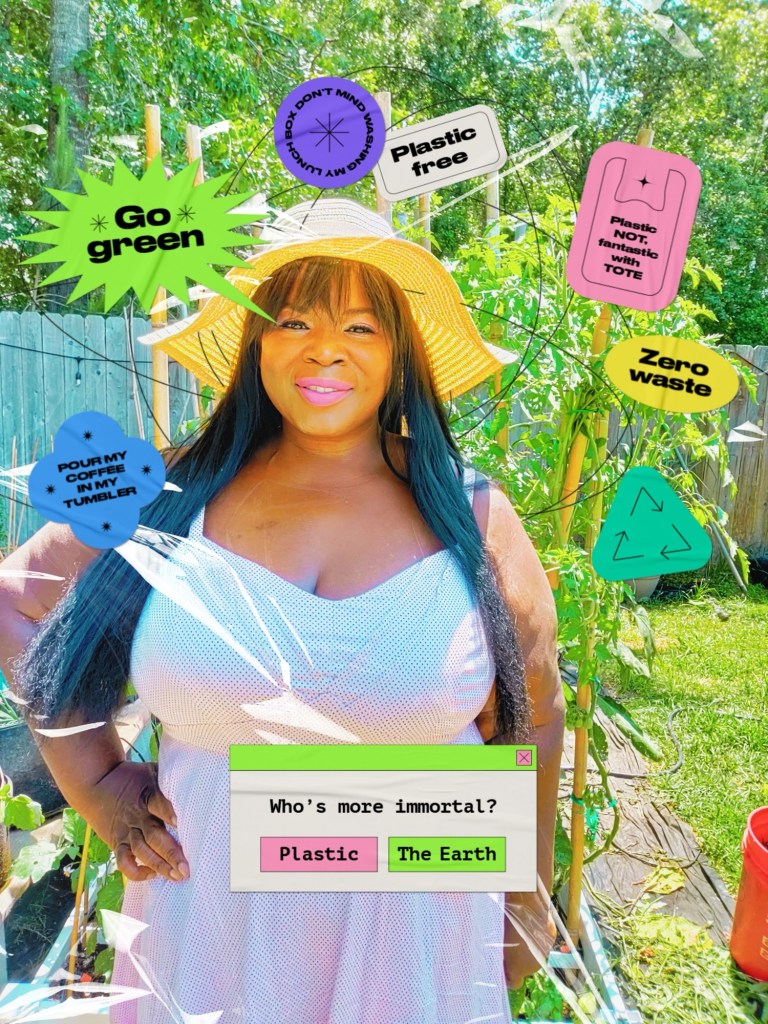
Owner & Operator | Quesia’s Kitchen & Farm-to-Table Experience
After surviving stage IV cancer, I dove deep into the world of food and its direct impact on our health. What I discovered was shocking—our food system is riddled with harmful toxins, and true nourishment is often out of reach for many. That realization fueled my mission: to create high-quality, healing food while growing the best, most nutrient-dense produce on the market.
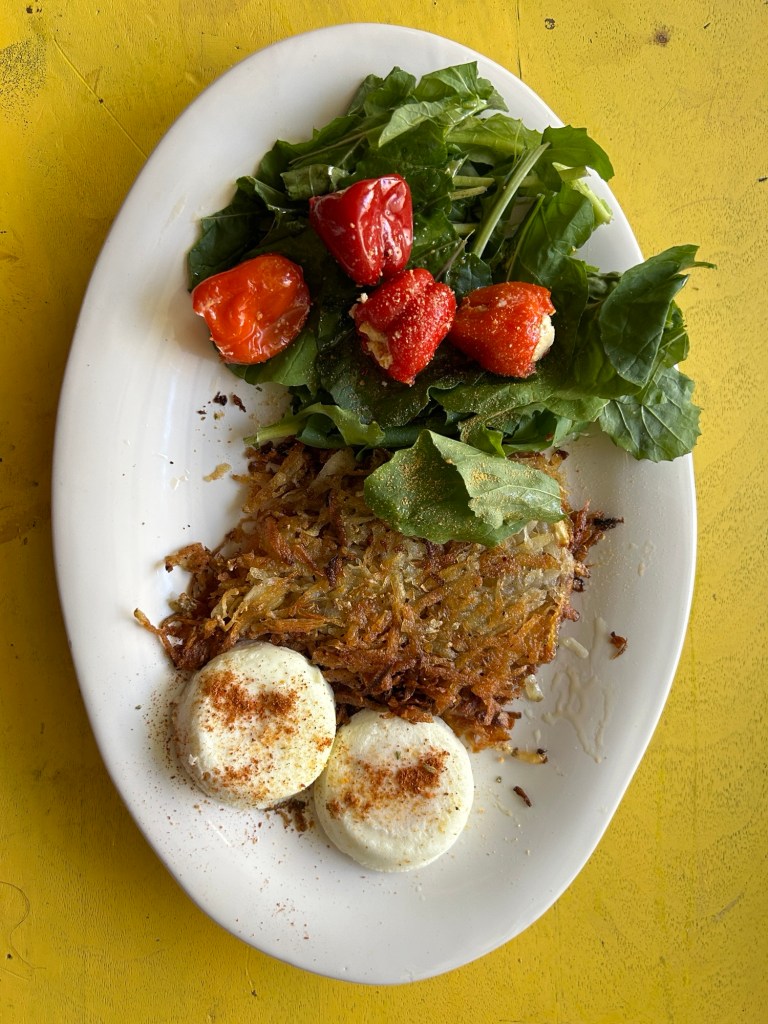
At Quesia’s Kitchen & Farm-to-Table Experience, I craft small-batch, artisan foods, including cottage foods and probiotic-rich, gut-healing creations like kombucha, designed to restore balance and well-being. I also teach cooking and gardening classes at local farmers markets, empowering others to take control of their food sources.
This journey is ever-evolving, but the goal remains clear—to make real, healing food accessible, sustainable, and deeply nourishing. Whether through handcrafted products, education, or farm-to-table experiences, I am committed to bringing quality food back to the table—food that heals, fuels, and feeds the soul.
In this post, we’ll be sharing a highly requested recipe for a better than Starbucks Frappuccino. This recipe is perfect for those who love the delicious flavors of Starbucks but want to make it at home. Whether you’re a Vitamix enthusiast or looking for a new favorite drink, this recipe is sure to satisfy your cravings.
Ingredients:
2 tablespoons of Taster’s Choice instant coffee or concentrated coffee such as espresso
Water (enough to cover the blades of your Vitamix blender)
2 tablespoons of cocoa powder or hot chocolate (preferably Starbucks hot chocolate)
1 tablespoon of vanilla extract
1 cup of Starbucks macchiato creamer or milk of your choice
1 cup of ice
Optional Additions:
Devils River whiskey coffee
Agave flavored syrup
Instructions:
Prepare your Vitamix blender by attaching the Vitamix aerator.
Add 2 tablespoons of Taster’s Choice instant coffee or concentrated coffee to the blender.
Pour enough water to cover the blades of the blender. Alternatively, you can use espresso as a substitute.
Blend the coffee mixture for a minimum of 20 seconds or until you hear a high noise from the machine. This will help create a foam base with collected air.
Once the foam base is ready, add 2 tablespoons of cocoa powder or hot chocolate to the blender.
Add 1 tablespoon of vanilla extract and 1 cup of Starbucks macchiato creamer or milk of your choice.
Since the creamer already has sweetener, there is no need to add additional sweetener.
Add 1 cup of ice to the blender.
Blend the mixture for one minute until smooth and well combined.
Pour the blended Frappuccino into a 20-ounce glass.
Rinse the blender container and prepare a cream topping with a slight amount of sweetener and a teaspoon of vanilla extract.
Whip the cream until it thickens and use it to top your glass of Frappuccino.
For an extra touch, you may dress the drink with cocoa powder or cocoa nibs.
If you’re looking for an adult version, try adding Devils River whiskey coffee and agave flavored syrup for a unique twist.
Conclusion: There you have it! A delicious and better than Starbucks Frappuccino recipe that you can enjoy at home. Whether you’re using a Vitamix blender or your favorite substitutes, this recipe is versatile and customizable to suit your taste preferences. So go ahead, whip up this delightful drink and indulge in the flavors of your favorite coffee shop right at home. Cheers!
In an era where environmental awareness is becoming increasingly crucial, Quesia’s Kitchen is making strides in planting the seeds of change by teaching environmental stewardship to children. Through engaging and hands-on experiences, this initiative helps young minds connect with nature, fostering a deeper understanding of ecosystems and the importance of sustainability. By transforming initial hesitations into curiosity and excitement, Quesia’s Kitchen empowers children to become responsible caretakers of our planet. This piece will delve into the transformative journey of these young learners, highlighting the invaluable lessons gained through gardening and the impact it has on shaping a greener future.
Transformative Power of Gardening
Overcoming Initial Hesitations
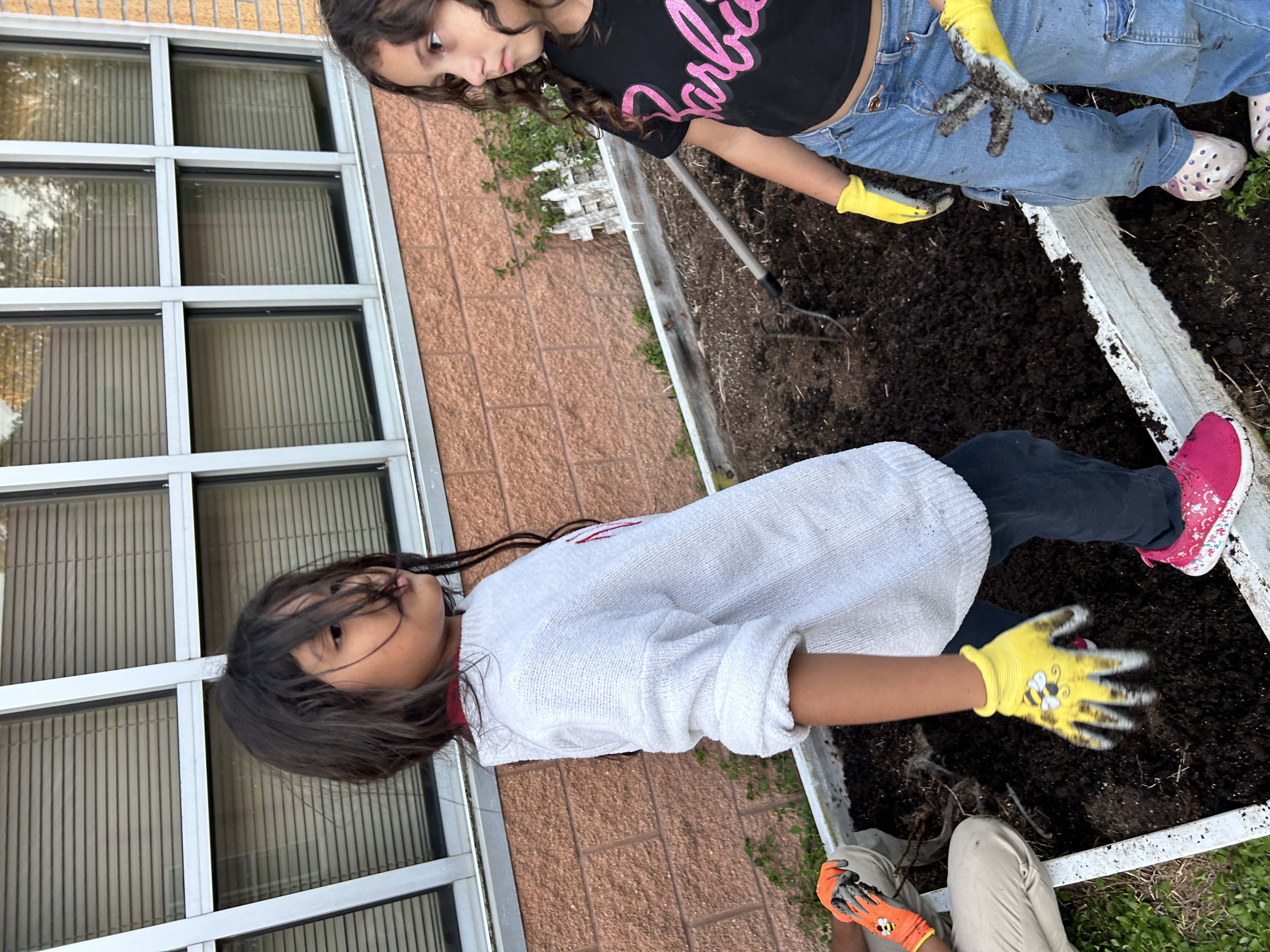
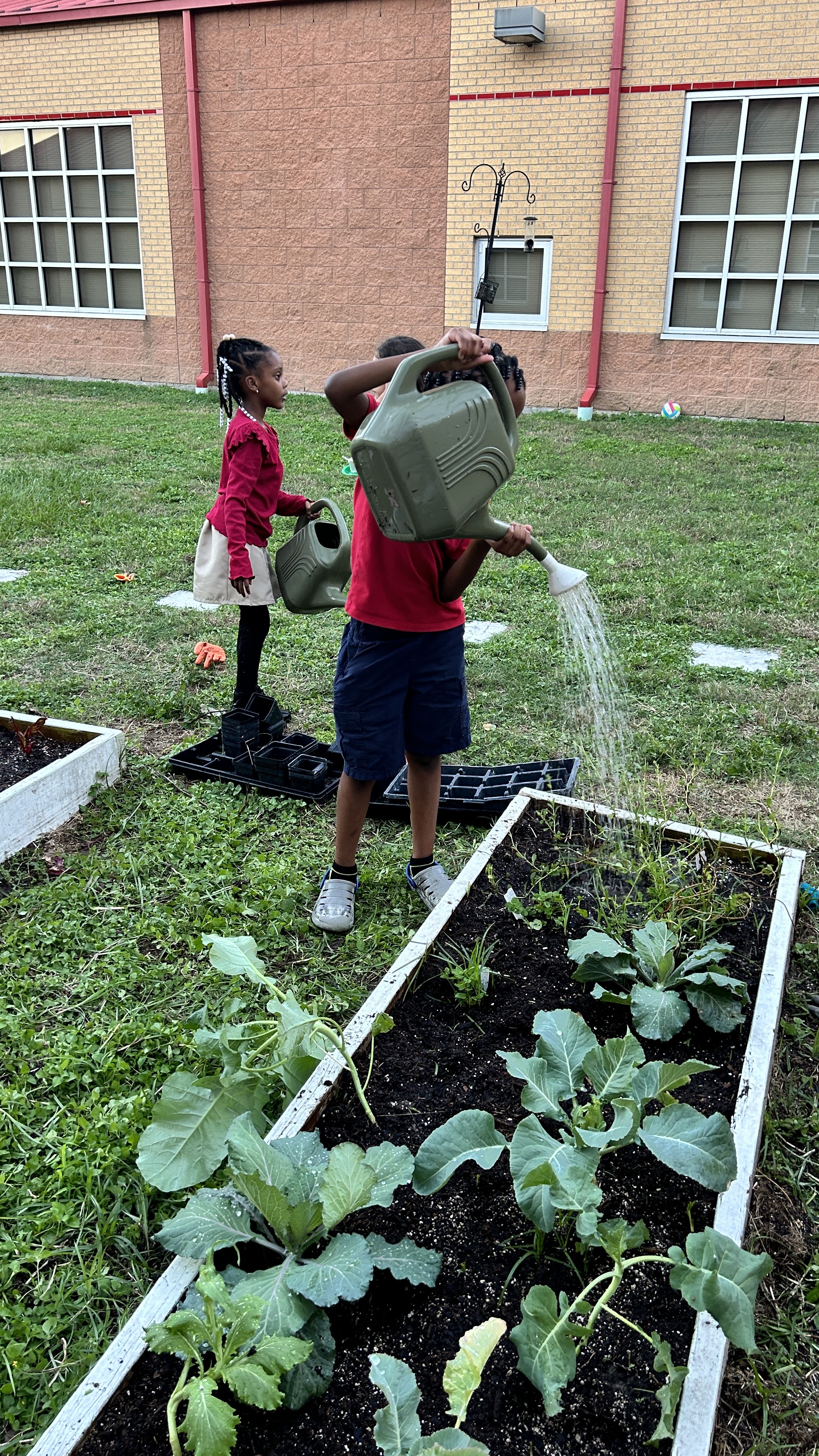
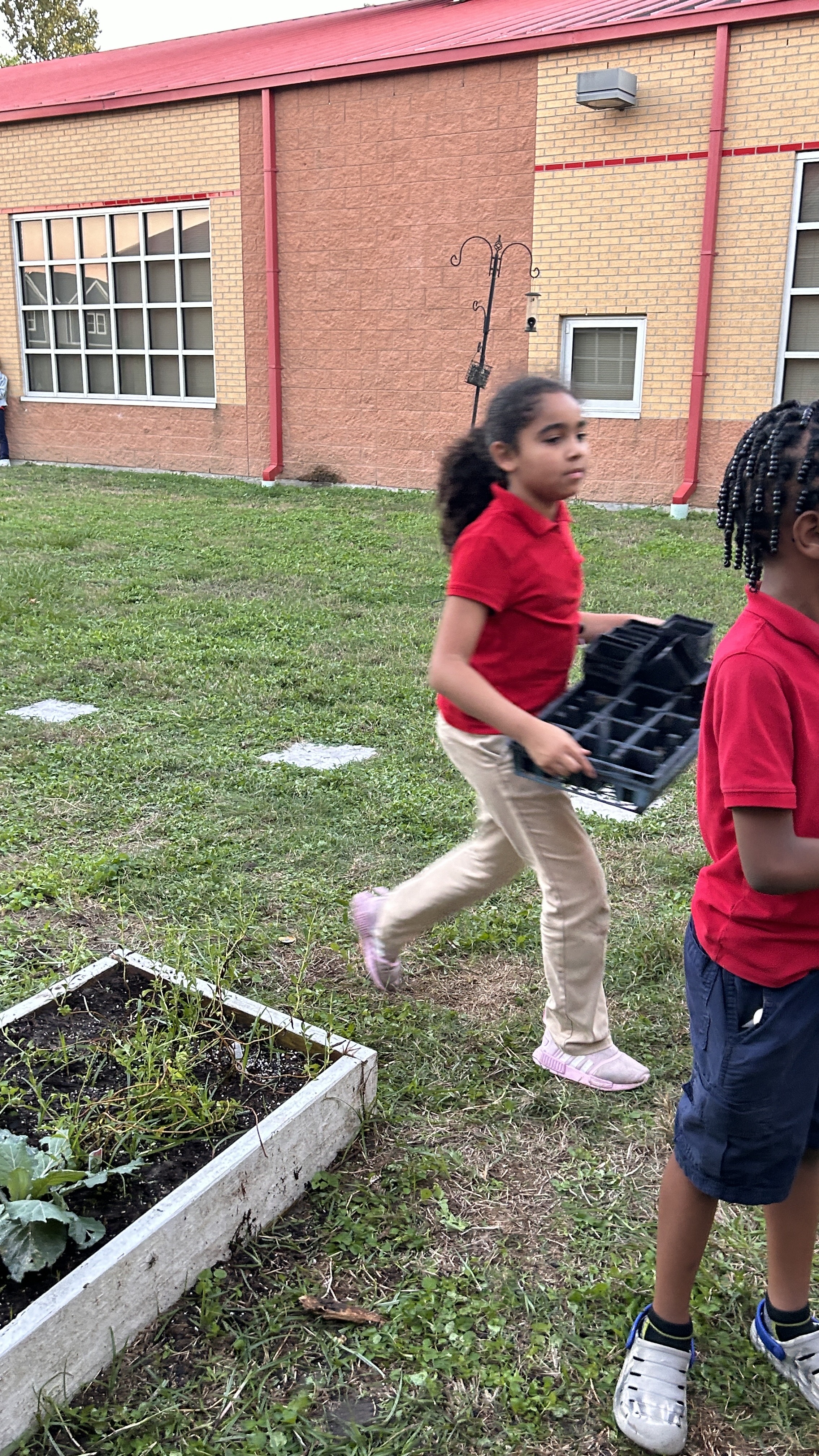
At the start, many children approached gardening with understandable hesitations. Concerns about bugs, getting dirty, and a lack of familiarity with nature were common. However, Quesia’s Kitchen addressed these fears head-on through patient guidance and encouragement. Each week, as the children interacted more with the garden, their apprehensions began to fade.
They learned to see worms as allies in enriching the soil and recognized the interconnected roles of birds and insects in maintaining a healthy ecosystem. The hands-on experience allowed them to embrace the very elements that initially unsettled them. By the end of the program, what began as fear transformed into curiosity and enthusiasm, as young gardeners eagerly explored their environment, gaining confidence along the way.
Discovering Ecosystem Interconnections
As the children delved deeper into gardening, they began to comprehend the intricate web of life within ecosystems. They discovered how each organism, no matter how small, plays a crucial role in maintaining balance. Through activities and observations, the young learners saw firsthand how worms aerate the soil, enhancing its fertility, and how birds help control pests naturally.
These experiences highlighted the importance of biodiversity and the interconnectedness of all living things. The kids learned that healthy ecosystems depend on the cooperation of various species, reinforcing the concept that their actions in the garden have broader environmental impacts. Such lessons instilled a sense of wonder and responsibility, motivating them to become active participants in preserving the natural world. This newfound understanding also encouraged them to consider the broader implications of their daily choices on the environment.
Learning and Growth
Nature as a Teacher
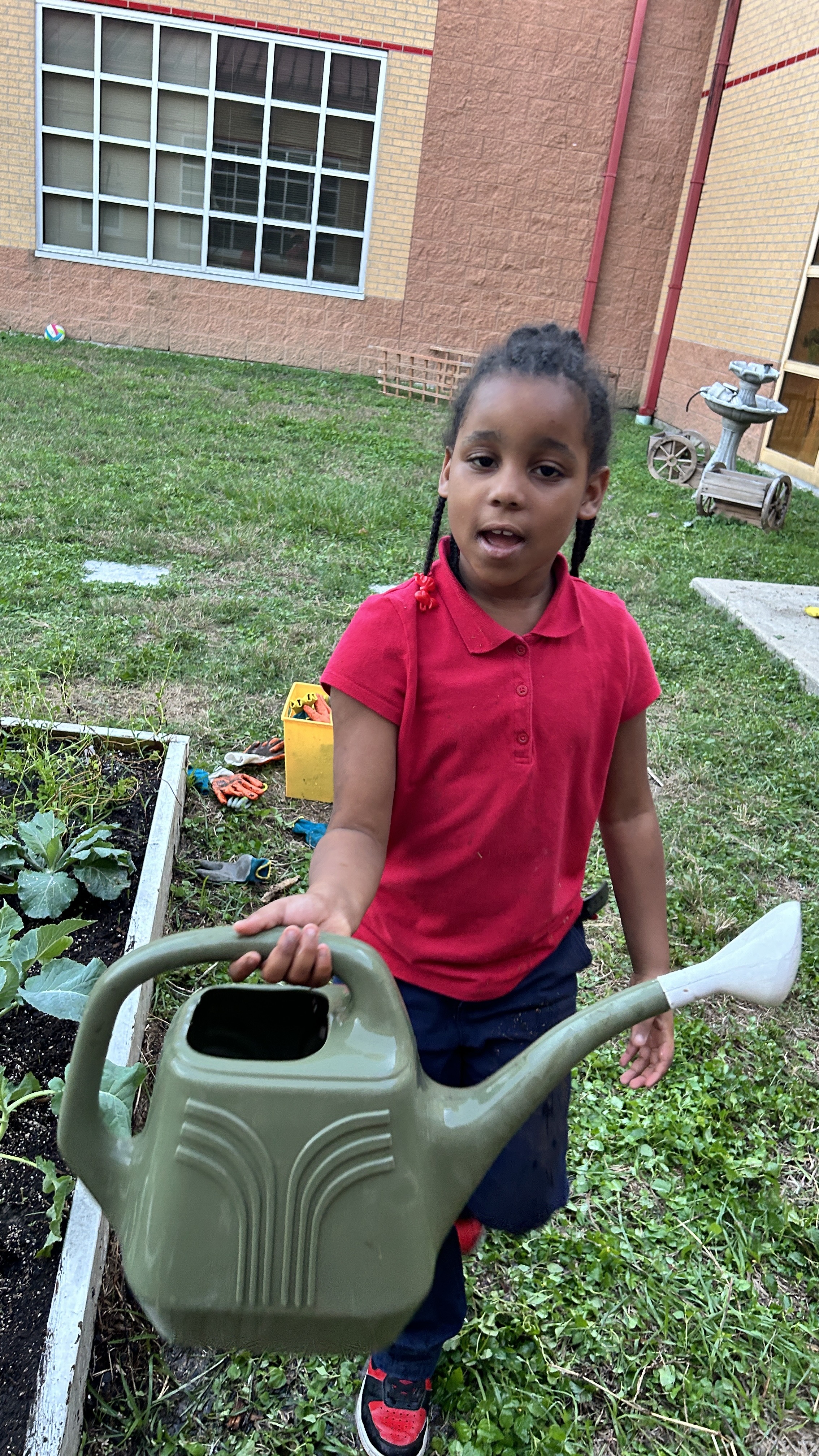
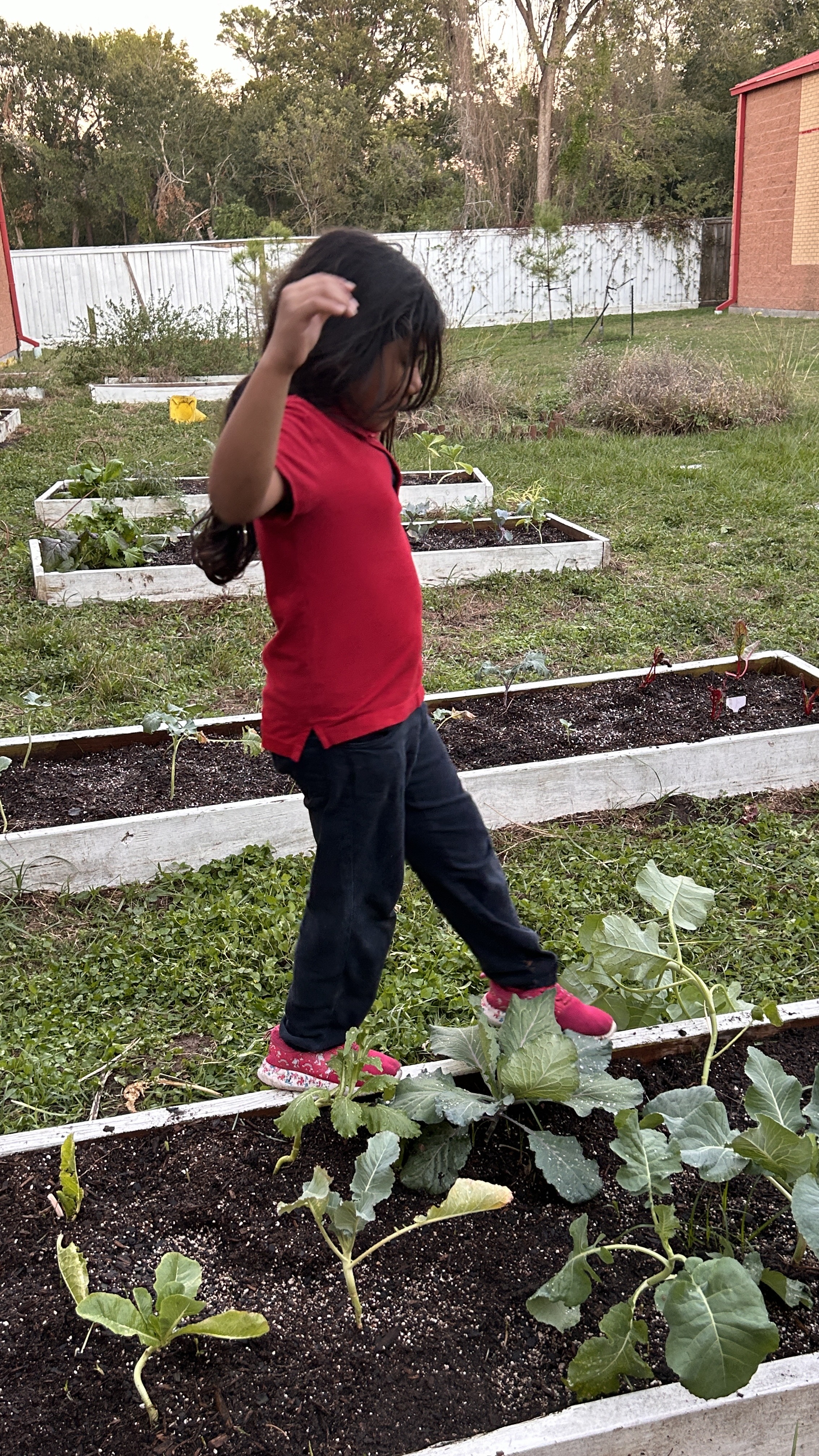
Nature provides invaluable lessons that extend beyond traditional classrooms. In the garden, children learn about resilience by observing plants that thrive despite challenges. They see patience exemplified in the slow growth from seed to sprout, teaching them the value of persistence and care. Nature’s cycles, from the changing seasons to the lifecycle of plants, offer insights into adaptability and renewal.
As young learners engage with these natural processes, they develop a profound respect for the environment and an understanding of their role within it. The garden becomes a living classroom where they can experiment, make mistakes, and learn from them without fear. This dynamic interaction fosters critical thinking and problem-solving skills, equipping them with the tools needed for lifelong learning. By embracing nature as a teacher, children gain a holistic education that nurtures both their minds and spirits.
Understanding Soil Health
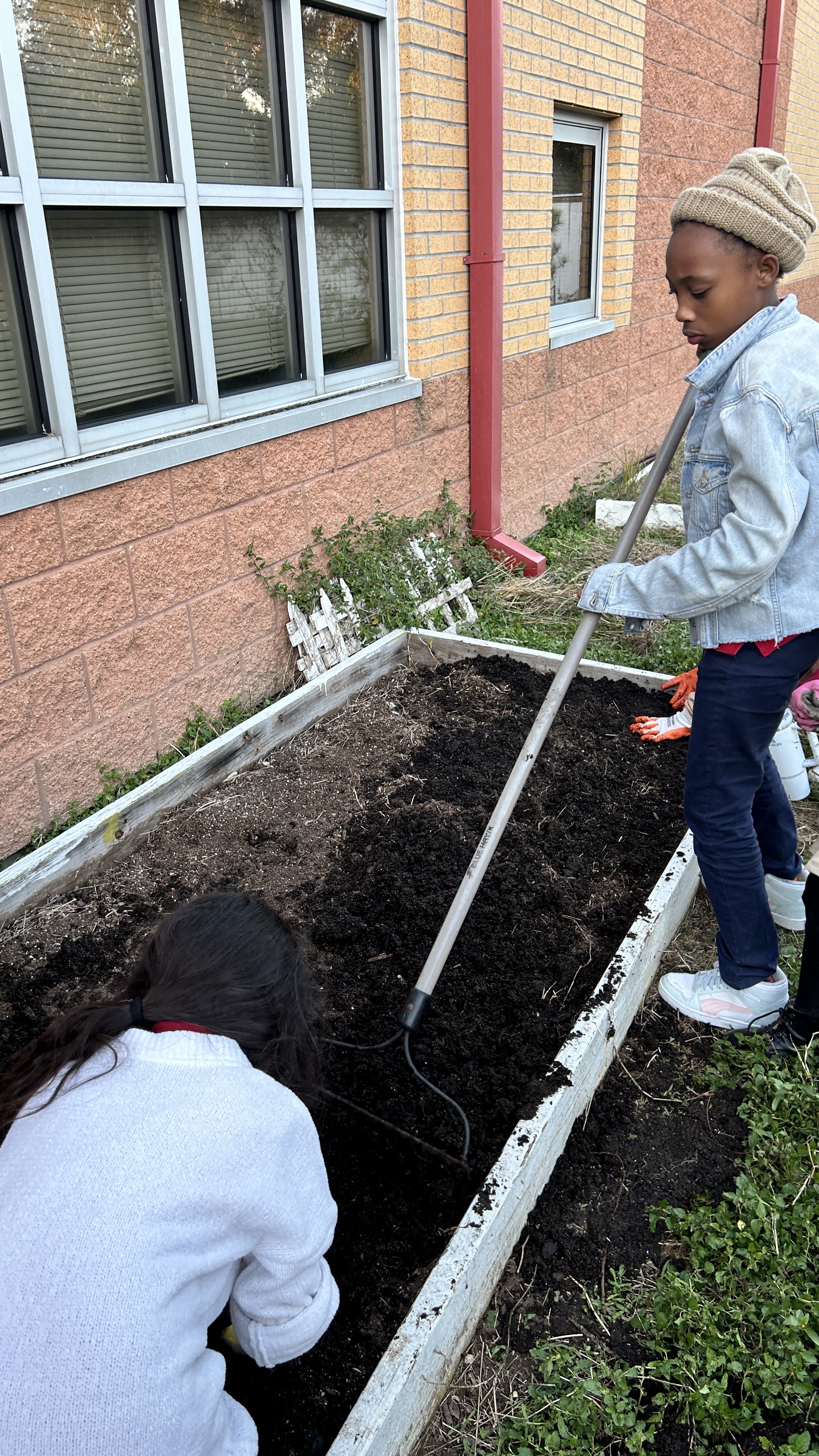
Soil health emerged as a pivotal theme in Quesia’s Kitchen program, transforming children’s perception of “just dirt” into a deeper appreciation for its vital role. Through hands-on activities, children learned that healthy soil is the foundation of robust plant growth and vibrant ecosystems. They discovered the importance of nutrients, organic matter, and living organisms in maintaining soil fertility.
By observing how decomposing leaves enrich the earth and how earthworms create channels that promote airflow and water retention, children began to understand the dynamic processes at play beneath their feet. This newfound knowledge of soil health connected them to the larger environmental picture, emphasizing how critical it is for human and ecological health. By comprehending these interactions, students realized their potential impact on soil conservation and the importance of sustainable practices, fostering a sense of stewardship for the land that nurtures life.
Cultivating Future Stewards
Empowerment Through Knowledge
Empowering children with environmental knowledge instills in them the confidence to make meaningful contributions to their world. At Quesia’s Kitchen, this empowerment came as students learned the practical skills of gardening and the underlying science of ecosystems. As their understanding grew, so did their enthusiasm to share their insights and apply them beyond the classroom.
They began to recognize their individual roles in promoting sustainability, understanding that even small actions can lead to significant change. This realization fostered a sense of responsibility and agency, encouraging them to advocate for eco-friendly practices in their communities. By equipping these young minds with the tools and knowledge to address environmental challenges, Quesia’s Kitchen is sowing the seeds for a generation of informed and proactive stewards. This foundational education ensures that today’s learners are prepared to become tomorrow’s leaders in environmental preservation.
Building a Hopeful Future
In a world often dominated by concerns over environmental degradation, instilling hope through education becomes crucial. Quesia’s Kitchen strives to create a future where children not only understand the challenges but also feel equipped to tackle them. By engaging in gardening and learning about ecological interdependence, these young participants gain a sense of optimism about what they can achieve.
This program shows them that sustainable practices can lead to tangible positive outcomes, fostering a belief in their ability to effect change. As they nurture plants and witness the fruits of their labor, they see firsthand the rewards of dedication and care. This experience plants the seeds of a hopeful mindset, crucial for driving future innovation and commitment to environmental stewardship. Quesia’s Kitchen not only teaches gardening; it builds the foundations of a hopeful, resilient, and environmentally conscious generation.
I am excited to share some recipes inspired by my recent visit and lecture series at Beauty’s Garden, located on Airline Dr., Houston, TX. This small community garden cooperative grows bigger every year, and it’s my pleasure to work with them from time to time. Here, I’m delighted to bring these recipes to those who visit the community gardens.
Below are a few of my favorite recipes, including mango smoothies and several passionfruit favorites, complete with instructions on how to prepare them. For these recipes, I’ll be using the Vitamix blender, which is one of my favorites due to its commercial-grade performance in a household setting. If you don’t have a Vitamix, simply chop your fruits or vegetables finely to ensure smooth blending.
Matcha Ginger Citrus Cooler Recipe
Ingredients:
1 can (13.5 fluid ounces) of coconut milk
2 ounces ginger syrup
4 ounces agave
1 large lemon (cut into four slices)
3 tablespoons Matcha green tea
2 cups of ice
Instructions:
Open a can of coconut milk (13.5 fluid ounces) and pour it into the Vitamix Aer container.
Add 2 ounces of ginger syrup to infuse a warm, spicy flavor.
Incorporate 4 ounces of agave for sweetness, balancing the flavors.
Cut one large lemon into four slices and drop them into the container to bring a citrusy zing.
Spoon in 3 tablespoons of Matcha green tea for a vibrant and antioxidant-rich addition.
Finally, add 2 cups of ice to the mix for a refreshing chill.
Secure the lid on the Vitamix A2500 system and start blending on level 4 for the first 10 seconds.
Gradually increase the speed, reaching level 10, and continue blending for an additional 50 seconds until you achieve a smooth and creamy consistency.
Pour the Matcha Ginger Citrus Cooler into your favorite glass, and enjoy the invigorating fusion of flavors.
Feel free to adjust ingredient quantities to suit your taste preferences. This delightful cooler combines Matcha’s earthiness, ginger’s warmth, and lemon’s citrusy kick for a refreshing beverage.
Coconut Citus Delight
Coconut Citrus Delight Smoothie
Ingredients:
600 milliliters Vita Coco Organic Coconut Milk, Unsweetened
3 small Mandarin Oranges (peeled)
4 ounces Kirkland Signature Organic Blue Agave
3 tablespoons Vanilla Extract
4 cups Ice Cubes
Instructions:
Place all the ingredients into the Vitamix E3200 blender.
Secure the lid and select the smoothie setting.
Run two cycles for thorough blending.
Check the consistency and blend for an additional cycle if needed.
Pour the smoothie into glasses and savor the refreshing Coconut Citrus Delight!
Welcome to my corner of the digital world! I’m a survivor turned counselor, and an Avett Gardner on a mission to cultivate positive change. From overcoming personal challenges to embracing the therapeutic power of nurturing plants, my journey has taken unexpected yet purposeful turns.
As someone deeply passionate about fostering community bonds, I’m embarking on a new adventure – a food channel and urban garden campaign. For me, food is more than sustenance; it’s a bridge that connects us as family. Through my experiences, I’ve learned that by understanding and reshaping our approach to food, we can mend not just our health but also the holes within our communities.
Join me on this transformative odyssey, as we sow the seeds of change, one garden at a time. Let’s cultivate a future where food is the thread weaving our communities together, and where we, as a culture, flourish through a harmonious connection with our environment. Welcome to a space where we plant the seeds of better living and grow together as a family.
Join me on a delightful journey where we combine the beauty of gardening, mouthwatering recipes, and a vibrant lifestyle. Our channel is a haven for all gardening enthusiasts and food lovers, with a special emphasis on the incredible history behind the dishes we prepare.
Indulge your taste buds with our sensational recipes, featuring the remarkable Vitamix blender and its versatile accessories. We believe in the power of wholesome, nutritious meals, and through our videos, we’ll demonstrate how to create culinary masterpieces that will leave you craving for more.
So, if you’re passionate about gardening, hunger for delectable recipes, and crave a vibrant lifestyle, hit that subscribe button and join us on this extraordinary journey. Let’s explore the history of foods, unearth gardening secrets, and savor life’s simple pleasures together! 🌿🥦🌸